Learning Biblical Theology with the Early Church
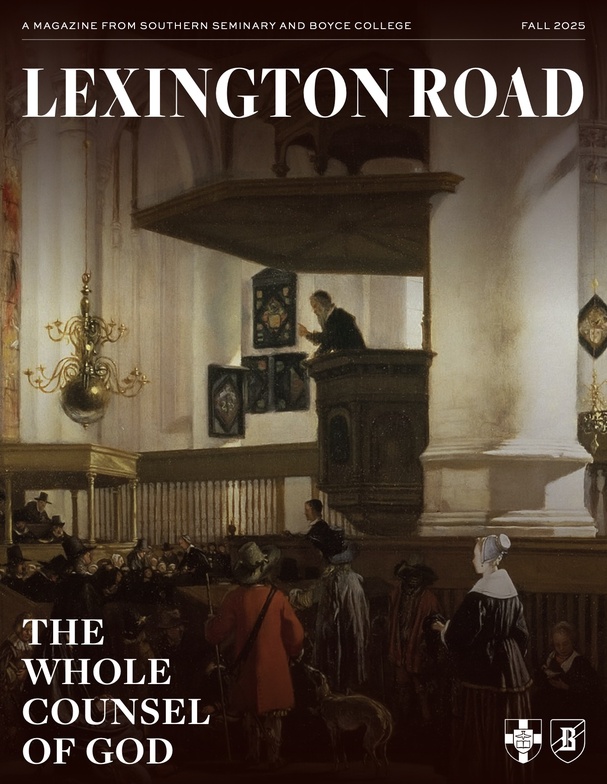
If I were to retitle this (and I won't - I will let Professor Pressley's work stand on its own), I would call it the Five Tenets of Biblical Interpretation.
Ever want to know the first step in recognizing theological drift? First, let's define the word. This "drift" is broadly understood as a movement away from the Word of God and toward the prevailing culture. The Bible has a lot to say about every culture in every age - and a lot of what it says is not affirmational. Rather, it is confrontational.
Yet, from age to age, we have always tried to satiate our knowledge of God from extra-biblical sources and in unbiblical ways. In doing so, we bend the text of Scripture toward our ideas and away from their original intention. This normally leads to outright denial of the authority of certain portions of God's Word in our lives.
Using historical theologians, Stephen Pressley sets out five ways in which we can get back to reading the Bible for what it actually says, instead of what the culture wants it to have said. You can read his full article by clicking --> here <--
The five areas are these:
1. Scripture is God’s self-revelation.
The Bible is not just a record of human religious experience; it is the Spirit-inspired disclosure of God’s character. We shouldn't approach the text as critics, but with a listening ear, ready to receive what God has spoken.
2. All interpretation must be worthy of God.
Because Scripture reveals God, our interpretation must honor His nature. Any reading that fractures the unity of God’s activity—or depicts Him in a way contrary to His character—is a misreading. The ultimate test of interpretation is that it builds up the love of God and neighbor.
3. Scripture interprets Scripture.
No passage stands alone. The early church read obscure passages in light of clear ones, understanding the whole canon through the lens of Christ. We must resist fragmenting the Bible into isolated proof-texts. It is a single story where Christ is the key.
4. Interpretation requires divine assistance.
Understanding God's Word isn't just an intellectual exercise; it requires the Spirit’s illumination. True exegesis demands humility, prayer, and holiness. We cannot conquer the text with our minds; we must receive it with the help of the Spirit.
5. Scripture is the highest authority.
Tradition, reason, and culture have their place, but they are subordinate to the Word of God. Scripture remains the “norming norm”—the standard by which everything else is measured.
These five interpretive postures remind me that the Bible is not an artifact to analyze but the living Word of God that is the guiding light for the people of God. It seems that much of modern biblical interpretation often fragments the text or detaches it from the life of the church. The fathers call us back to a theological, spiritual, and ecclesial reading of Scripture, one that forms not only the mind but my soul, and the community of believers gathered around its pages praising the God that the Scriptures reveal.