Do Inconsistencies in the Gospels Undermine Scripture’s Inerrancy?
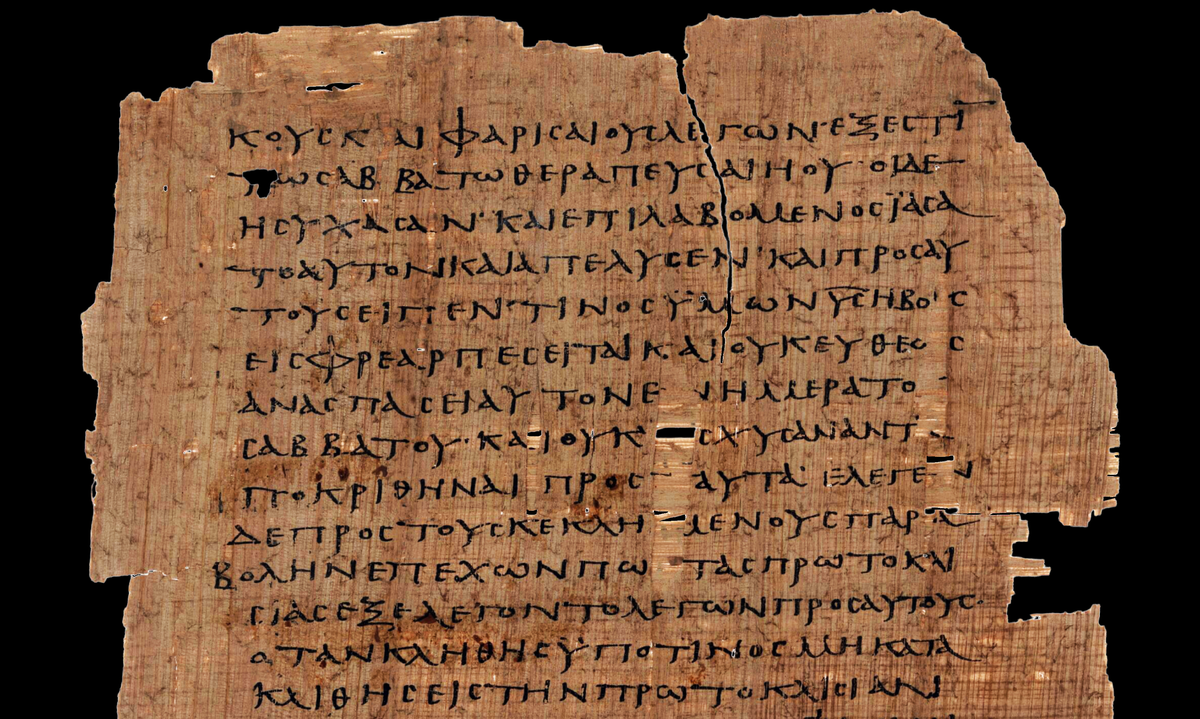


The four gospels in the New Testament are: Matthew, Mark, Luke, and John. They each tell us of the life, ministry, teachings, miracles, sacrifice, and resurrection of Jesus. Yet each is written by a different human author, each with a different perspective and audience.
Imagine asking for a description of a shopping mall by the architect who designed it, then a Christmas shopper who fought crowds to shop there, then a security guard who worked during a power outage. The same mall may be described three different ways using three different sets of words. One mall, three perspectives. The presence of these different perspectives does not mean that we cannot trust that the mall exists or that any part of the descriptions is false.
So it is with the gospels.
Rob Plummer, the Collin and Evelyn Aikman Professor of Biblical Studies and Chair of the Department of New Testament at Southern Baptist Theological Seminary, writes about some of the perceived contradictions that skeptics claim are the New Testament's gospels. You can access the article by clicking --> here <-- He urges critical readers to:
"...be honest about your questions. Pray about the concern, study the text carefully, and pose questions to a trusted source. Don’t be afraid to ask honest questions of the text, and to seek help answering if you need it. Remember: God is a loving heavenly Father. He’s not trying to trick you or hide things from you, but he hears when you call to him. He has given to us a reliable and trustworthy account of his revelation in history, preeminently in sending his Son to live a perfect life and to die in place of sinners like us."
He notes that many perceived contradictions are not contradictions. Use this illustration to understand his point: He can truthfully describe the time that he waited with his wife's minivan for a repairman in three different ways, depending on his audience, all of which are completely true and colloquial to today's listeners. Yet decades or centuries later, his descriptions would appear - to a foreign stranger - that he was contradicting himself.
Rob Plummer also notes the gospels are not constrained by strict linear historical retelling. In other words, the order that each author chooses to disclose facts is not meant to be what our 21st Century Western minds have grown used to. They were free to tell some narrative facts out of order so that each of their unique original audiences would receive a particular emphasis by the arrangement. The gospels never claim to be told in a strict start-to-finish order!
Finally, the author tips his hat to the message that we will enjoy this Sunday (Psalm 95), which - according to the author of Hebrews - was written by both David and the Holy Spirit.
All Scripture is breathed out by God and profitable for teaching, for reproof, for correction, and for training in righteousness, that the man of God may be complete, equipped for every good work. (2 Tim 3:16-17)